


Promoted: Ross Brawn on moving the sport forwards for fans
The best leaders know how to strike a balance when making key decisions, for example between data over instinct, innovation over tradition.
Ross Brawn, Formula 1’s managing director, Motorsports embodies this spirit, as a former F1 team boss and team technical director who dominated the sport with Benetton, Ferrari and even with his own Brawn F1 team, ten years ago. He has lived both sides of the sport and right now he’s putting that balance into key decisions about its future, for example in shaping the rules for 2021 and beyond.
In his new role, Ross’s job is to oversee the sporting and technical regulations of F1, with the aim of both maintaining its authenticity and making it the most entertaining sport it can be. If he’s successful, no single team will be able to do exactly what Ross did to make a name for himself: dominate F1.
“We want to bring the cars closer together,” says Brawn. “We want to have a more evenly matched field. Still maintain this innovation, this excitement, but bring the cars closer together. So that’s what my ambition is.
“My ambition used to be measured in race wins or points scored. Now it’s going to be measured in the quality of racing we have, and how many fans watch it.”
In this process F1 reflects what many businesses have to go through; finding the right path to growth without losing sight of your ‘True North’. F1 has an audience it speaks to regularly of almost 500 million people worldwide, the core group of which live and breathe motorsport and demand greater access and insight.
At the same time the sport needs to reach out to new fans and new audience demographics to keep growing, but without alienating the base. In this video, Brawn explains his approach to finding this balance.
As Brawn is fond of saying, “there is no one-size-fits-all approach to this”. On the contrary, the huge opportunity for F1 comes with the ability to customise, to understand the various segments of fans who want to consume specific branches of content and data and serve their needs effectively.
In that, the work Brawn and F1 do with technical partners like Tata Communications is vital. Tata does similar work with MotoGP and World Rally Championship; changing the landscape and opening up the platforms, channels and information for a next gen audience.
This exclusive film is part of a series of dialogues, to watch the rest of the series, visit the Tata Communications channels.
Share Or Save This Story

What made Ross Brawn an F1 legend

Brawn is wrong over potential F1 electric move, says Agag

F1 chief Brawn aims to “iron out” shark fin and T-wing designs
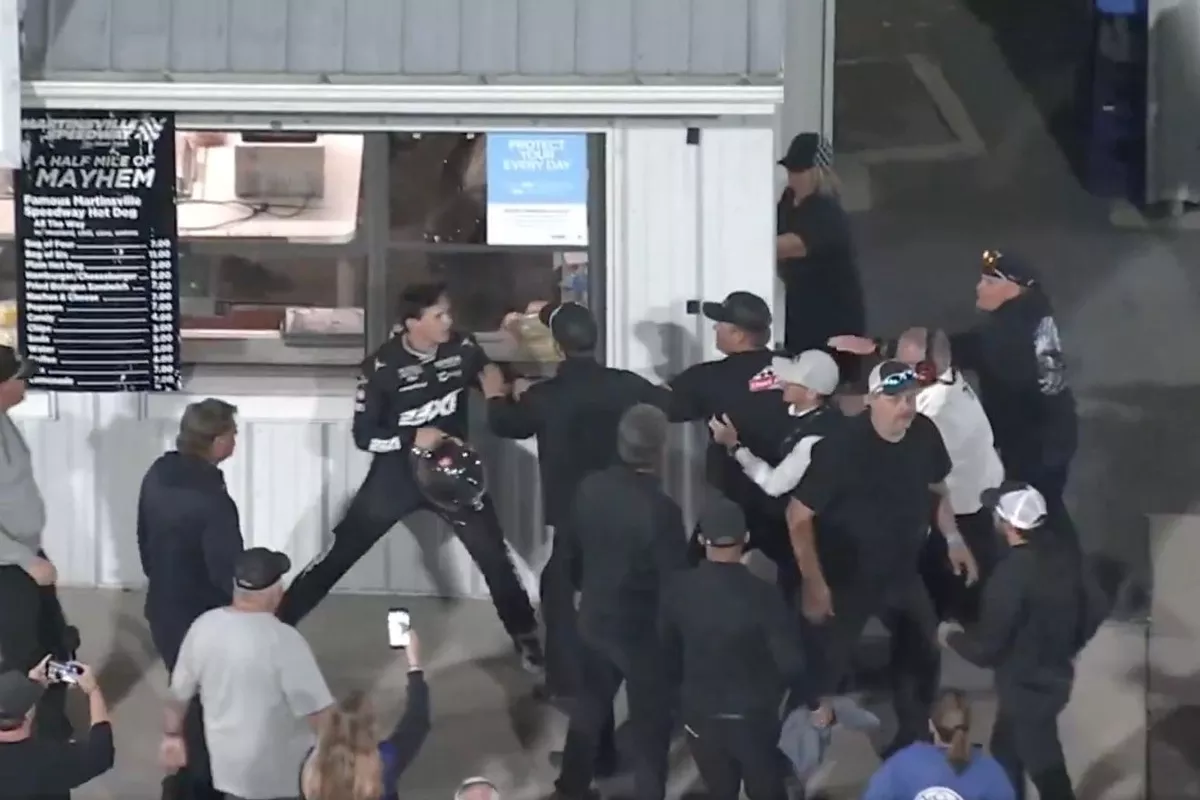
NASCAR indefinitely suspends Chad Bryant and another crew member over Corey Heim fight

Portugal to drop off 2027 WRC calendar

Jack Aitken eyes first IMSA GTP title at Petit Le Mans amid ‘Bittersweet’ solo championship fight

Dörr targets DTM future with McLaren as three-year programme ends

The problem with Ferrari’s endless team principal speculation

Why Mercedes is still quicker than McLaren

Baku late-race chaos almost costs George Russell victory over Max Verstappen

How George Russell claimed his career-best pole margin in F1 Azerbaijan GP qualifying
Subscribe and access Motorsport.com with your ad-blocker.
From Formula 1 to MotoGP we report straight from the paddock because we love our sport, just like you. In order to keep delivering our expert journalism, our website uses advertising. Still, we want to give you the opportunity to enjoy an ad-free and tracker-free website and to continue using your adblocker.


Top Comments