


Audi faces "huge" engine challenge for 2026, says Ferrari
Ferrari’s Formula 1 power unit technical director Enrico Gualtieri says that the 2026 regulations will be a “huge challenge” for the new manufacturers that are entering the championship, including Audi.

Audi and Ford/Red Bull Powertrains are both currently developing new power units for the first year of the new rules in 2026, while Cadillac intends to enter as a manufacturer in the third season in 2028 with the mooted Andretti team.
The change to the new rules is a tricky one, even for the established manufacturers who already have a decade of experience with F1 hybrids, but Gualtieri says it will be harder for those coming in with no knowledge of the previous generation: as well as creating power units for 2026, they also have to develop new infrastructure.
“It's hard to say because, obviously, I'm not in their facility or in their shoes,” he said when asked by Motorsport.com about the challenge faced by newcomers.
“But in the end, I think that for sure the level of complexity of this product is high. And it's true that preparing for a brand-new project is not an easy task for anyone.
“So I can for sure respect the job that they are doing on this, because for sure you need to learn and to create something that is not only related to design, competencies or skill from the engineering perspective, but also logistics or infrastructure. So they are facing an important and huge challenge as well.”

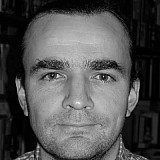
Enrico Gualtieri, Technical Director Power Unit Ferrari
Photo by: Ferrari
Gualtieri acknowledged that the downside for the existing manufacturers is that they have to devote some resources to the current programmes until the end of 2025, even if there is a lid on performance development.
“On our side, obviously, it's a different thing,” he said. “It's true as well that we have to cope with the current programme that is still somehow requiring energy in order to be obviously looked after in view of what we have to deploy on the season.
“So somehow they are different challenges, but both of them are quite high in terms of level of effort that we have worked to deploy.”

However, the regulations dictate to some degree how much work the manufacturers continue to undertake with their current PUs.
“It's true that we are entering this stage at which we are developing the core parts of the new power unit,” he said. “But in terms of percentage it's somehow easy, because at the end we have dyno hours for the current period that are somehow defined, and these are reducing season by season.
“So this season we will have a further reduction on the dyno hours that we can deploy on the current power unit.
"So we are reducing somehow by definition what we are putting on the current engine, and all the rest obviously has to be driven through the new project.
“Despite this challenge we are focused on the 2024 season as well, because this seems to be the longest season ever, and we know how challenging it will be for the components and for the power unit itself. So still, the focus is really, really high on the season that we are about to start.”

Share Or Save This Story

RB: Tsunoda “mentally on a different level” in 2024

Andretti planning F2 and F3 entries to promote US talent to F1 team

Andretti F1 team formally opens new Silverstone facility


Charles Leclerc explains why Bahrain GP chaos has reinforced F1 driver fears

How the Bahrain GP in Malaysia exposed Red Bull’s hidden resurgence
The slick tyre gamble that hurt McLaren and Ferrari's Bahrain F1 chances

The contrasting tactics used by Ducati and Aprilia in MotoGP 2026 title fight

'My shoulder is healed' says Maverick Vinales after points on comeback

Three kings: F1's generational stars shone at Sepang

What was "weird" about McLaren's poor performance at rough Sepang

Three kings: F1's generational stars shone at Sepang

How F1 let a golden opportunity slip at Sepang

How the Bahrain GP in Malaysia exposed Red Bull’s hidden resurgence

You Ask The Questions: Emerson Fittipaldi
Subscribe and access Motorsport.com with your ad-blocker.
From Formula 1 to MotoGP we report straight from the paddock because we love our sport, just like you. In order to keep delivering our expert journalism, our website uses advertising. Still, we want to give you the opportunity to enjoy an ad-free and tracker-free website and to continue using your adblocker.


Top Comments