Formula 1
Arms race? Game changer? What do the latest changes to F1 engine rules mean?
[Updated] It seems that the FIA has now accepted that there is a loophole in the F1 technical regulations, which might level the playing field a li...
Edited: Jan 15, 2015, 10:30 AM
Copy link
Share on Viber

Motorsport Blog
Motorsport Blog
[Updated] It seems that the FIA has now accepted that there is a loophole in the F1 technical regulations, which might level the playing field a little, as Renault and Ferrari have been requesting for some time. So what does it mean for the 2015 Championship and will it change the packing order?
Here with the help of JA on F1 technical adviser Dominic Harlow, we will attempt to demystify what the latest developments mean for fans watching in 2015.
What is the latest on the F1 engine freeze?
The rules for the new hybrid turbo F1 engines, which came in last year, stated that the engines had to be homologated by the last day of February 2014 and that no development would be allowed during the rest of the season. But amazingly, the text of the rules did not spell out that the 2015 engines had to be homologated by the same date in 2015, only that they did have to be homologated. Ferrari queried this loophole and there was much discussion on the subject in the F1 Strategy Group meeting before Christmas.
The latest is that the FIA has accepted the loophole exists and written to teams and manufacturers accordingly. So now the three manufacturers, Ferrari, Renault and Mercedes, who are going into their second season of hybrid turbos, can potentially have longer to develop their 2015 engines, if they want. There is no set date for this, so the upshot is that manufacturers are free, should they wish, to continue development of a new power unit until they exhaust the tokens available to them for 2015. They may then homologate a new engine as and when they choose.
It's important to note that the engines are homologated by the manufacturers, not by the individual F1 teams, so the switchover from 2014 to 2015 engines will be made at the same time for all a manufacturer's teams on their timetable.

So does this mean that Renault and Ferrari will close the gap on Mercedes this season?
Unlikely, but what it does mean is that those two manufacturers, who were behind going into 2015, now can have more time, if they want, to maximise development of the 2015 units. The crucial thing to remember here is that they have to homologate their 2015 engine at some point and - as it will be more powerful and more efficient than the 2014 unit - they will not want to wait too long to introduce it.
We estimate that anyone using the loophole will introduce their 2015 engines by the Spanish GP, Round 5, at the latest. So that means an extra 8-10 weeks of development time, which could be worth anything from 1/10th of a second per lap to 2/10ths.
Each driver is only allowed four engines for the season. So teams working with manufacturers, who decide to take advantage of the loophole, will probably use a 2014 engine for the first few races, while the manufacturers work on continued development of the 2015 engines. But then each manufacturer will switch over to the new 2015 unit with all its teams at the same time, for logistical reasons.
So is this a game changer?
Not really, because the manufacturers can only work on specific permitted areas of the engine and make updates to 32 of those areas. These are called "tokens" and once the 32 tokens have been used up, they have to draw a line in development. Once the manufacturer has introduced its new engine, it cannot use the old one anymore - only one engine can be homologated at a time.

Does this have a cost implication? Does it make life even less affordable for the customer teams?
There is some potential for manufacturers to spend more money, of course, but we don't believe it will be a significant extra cost to pass onto the customers. Renault and Ferrari both have an A and B team, essentially, so they would have to make four 2014 engines for the early races, plus test engines for February tests, then introduce the 2015 unit in April/May.
What are the risks?
There are some interesting possibilities. If, for example, a driver had a failure on his engine in the opening flyaway races and was forced to take another 2014 engine before the manufacturer switched to 2015 units, he would only have two 2015 engines to last him the rest of the season from the date at which the 2015 unit came in. That would almost certainly mean taking a penalty later in the season. The penalty rules have been subtly changed too, so that you now would start from the back of the grid with a full Power Unit change, rather than the pit lane (as Vettel did in Austin), making it less punitive.

So how will Mercedes react? What will they do now?
Of course they are free to take advantage of the loophole too. But as they are also the biggest suppler of engines in F1, with four teams and eight drivers to supply, the logistics of changing their build plan now are very significant.
There is a school of thought that they could have an advantage by sticking to their original plan; by homologating the improved 2015 engine from the start of the season, they will potentially have four races with an advantage while Renault and Ferrari are still running 2014 units. This could give them and their customers an early lead in the championship.
They will also be able to optimise the cars and cooling around the 2015 units from winter testing onwards. Also they are free to start development straight away on the 2016 upgrades, ready for homologation this time next year - so they would be able to focus on that work, rather than splitting resources, as they would have no more development work to do on the 2015 units.
How does this affect Honda and its new hybrid turbo engine, which did not run in 2014?
They will be subject to the same rules as the others were for their first season - i.e. they must homologate by the end of February (next month). If they did not, they would effectively have two development windows in one year and that would not be sportingly fair.
So,in summary, what does this all mean for the 2015 season?
In our view, it will give Renault and Ferrari a chance to make up a little ground from May onwards and make the most of their 2015 power units. They will probably close a little on Mercedes from the introduction of the new engines (i.e. Spain) onwards. It also shows that the sport did something to improve the sporting balance, within the tight regulatory framework which exists around the technical side of the sport.
What do you think of these latest developments? Is it good news for F1? What do you think the manufacturers will do? Leave your comments in the section below.
We want your opinion!
What would you like to see on Motorsport.com?
Take our 5 minute survey.
- The Motorsport.com Team
Read and post comments
Read also :
Share Or Save This Story
Copy link
Share on Viber
Previous article Honda excluded as engine upgrades allowed in 2015
Next article Happy birthday Michael, remembering how the legend began
Top Comments
There are no comments at the moment. Would you like to write one?
View More & Comment
Latest news
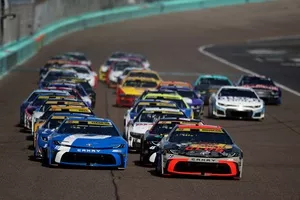
NASCAR set to incrementally increase horsepower as part of 2027 Cup rules
NASCAR Cup
NAS NASCAR Cup 2 h
NASCAR set to incrementally increase horsepower as part of 2027 Cup rules

Hollywood star Christian Bale wants to portray MotoGP’s “gods” in a movie
MotoGP
MGP MotoGP
Portuguese GP
3 h
Hollywood star Christian Bale wants to portray MotoGP’s “gods” in a movie
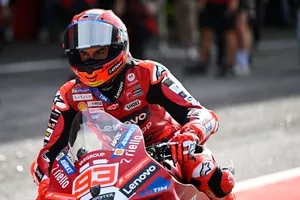
Marc Marquez's body felt "stiffer" in Portimao practice: "I’m the only one who can lose”
MotoGP
MGP MotoGP
Portuguese GP
3 h
Marc Marquez's body felt "stiffer" in Portimao practice: "I’m the only one who can lose”

'Marco Bezzecchi is fastest at Portimao,' says Alex Marquez - after going fastest
MotoGP
MGP MotoGP
Portuguese GP
4 h
'Marco Bezzecchi is fastest at Portimao,' says Alex Marquez - after going fastest
Feature
Discover prime content

Top 10 F1 cars of the 1980s
Formula 1
By Kevin Turner
Top 10 F1 cars of the 1980s
Subscribe and access Motorsport.com with your ad-blocker.
From Formula 1 to MotoGP we report straight from the paddock because we love our sport, just like you. In order to keep delivering our expert journalism, our website uses advertising. Still, we want to give you the opportunity to enjoy an ad-free and tracker-free website and to continue using your adblocker.
You have 2 options:
- Become a subscriber.
- Disable your adblocker.
Subscribe now Already subscribed? Sign in here
Already disabled your adblocker?
Reload page
Manage Alerts
Subscribe